
Chiropractic Care for Temporomandibular Dysfunction or TMJ
Your Jaw Pain or TMJ might be resolved with chiropractic and cranial care.
Understanding Temporomandibular Dysfunction (TMD)
What TMD Can Feel Like
- Pain or stiffness in the jaw
- Clicking/popping in the joint
- Tender, tired feelings in the face, jaw, and neck
- Earaches
- Headaches
- Difficulty chewing
- “Locked” jaw
- Radiating pain into the neck and shoulders
- Teeth sensitivity

Common Triggers
- Poor posture or workstation setup
- Stress – physical and emotional
- Poor diet and sleep
- Dehydration
- Low blood sugar
- Hormone changes
- Excessive screen time

Impact on Daily Life
- Painful eating, speaking or sleeping
- Reduced work productivity
- Social withdrawal
- Persistent headaches
- Anxiety and/or depression
- Stress from managing symptoms
- Unexpected symptoms, like ringing in the ears (tinnitus)

Why Temporomandibular Dysfunction Symptoms Can Continue
How Chiropractic Care May Help
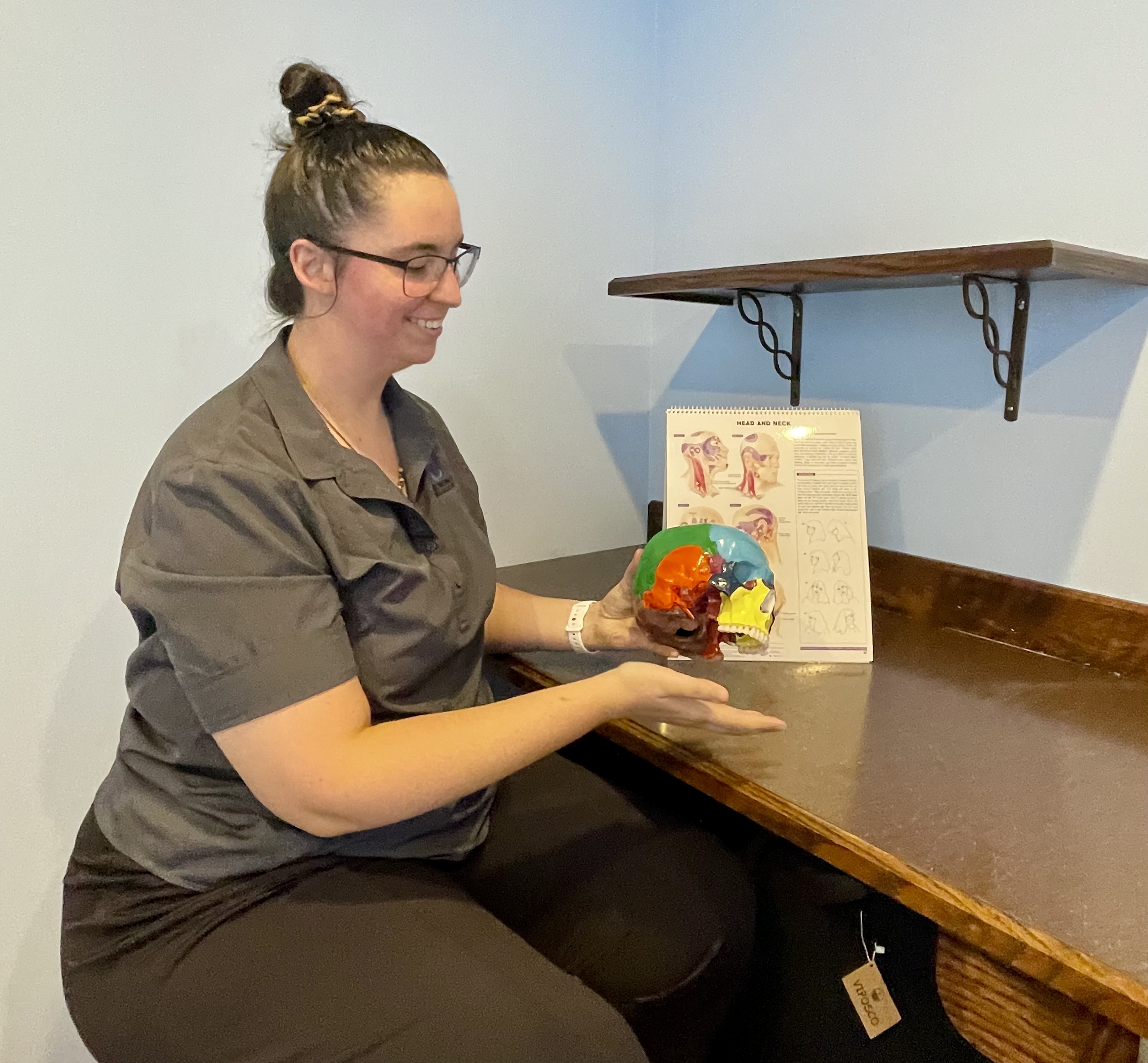
With techniques like Sacro-Occipita l Technique and Applied Kinesiology, we can find which part of the joint is having the most negative impact on your body. This might include gentle palpation of the joint, tracking the jaw when it’s going from open to close, muscle work, and gentle adjustments to the cervical spine. Cranial work may also be included in your care as the TMJ attaches to the skull.
We may use:

Gentle chiropractic adjustments

Myosfascial release

Lifestyle and nutritional considerations
Our Approach to Temporomandibular Dysfunction Care

Individualized care plans
Your care is built around your symptoms, history, and how your neck and nervous system are functioning — not a standard protocol
Gentle, targeted techniques
Chiropractic care is not just one method. We use a variety of techniques and choose what’s appropriate for your comfort, mobility, and condition
Rehabilitation at the right time
When your body is ready, we may introduce exercises to support posture, stability, and long-term neck function
Rehabilitation When Appropriate
As your condition improves, we may introduce exercises and functional rehabilitation strategies to help improve strength, coordination, balance, and mobility.
Imaging when clinically indicated
If needed, we can order X-rays or MRIs to better understand structural or disc-related issues
Ongoing monitoring
We track how your symptoms and function change over time — not just day-to-day pain levels
Care that adapts with you
As your neck improves or your needs change, your care plan is adjusted accordingly
Collaboration with other providers
When helpful, we coordinate with medical doctors, physical therapists, and other providers involved in your care
Who This Care May Be Right For
If you’re looking for thoughtful, individualized care focused on improving function and quality of life, this may be the right next step.


