
Chiropractic Care for Neck Pain
Neck pain is often best addressed by starting with chiropractic or other conservative care before considering medications like muscle relaxants or opioids.
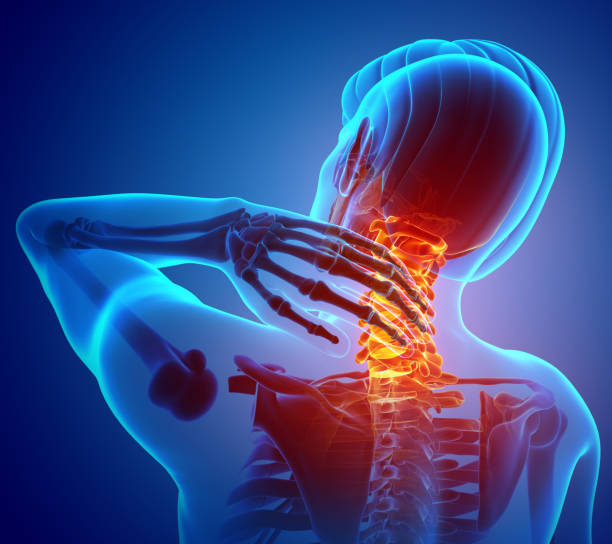
Understanding Neck Pain
Neck pain is a common condition that can come from a variety of structures, including muscles, joints, discs, and nerves. It may develop suddenly or build over time depending on the underlying cause.
Some conditions commonly associated with neck pain include:
- Disc herniations or disc injuries
- Facet joint syndrome
- Degenerative disc disease
- Spinal stenosis
- Spondylolisthesis
- Neuropathy
Occipital or trigeminal neuralgia
What Neck Pain Can Feel Like
Neck pain can present in different ways depending on what’s contributing to it. You may experience:
- Pain on one side or both sides of the neck
- Stiffness or reduced range of motion
- Aching, sharp, or tight sensations
- Pain that radiates into the shoulders, upper back, or arms
- Symptoms that are constant or come and go
Common Triggers
Neck pain is often influenced by daily activities and positioning, including:
- Driving or prolonged sitting
- Sleeping positions
- Bending, lifting, or repetitive movements
- Poor posture or workstation setup
Impact on Daily Life
Neck pain can affect more than just comfort. It may interfere with:
- Work and screen time
- Sleep quality
- Exercise and daily activities
- Focus and overall energy
When neck pain persists, it can become increasingly disruptive and harder to ignore, especially if it begins to limit normal routines.
Why Neck Pain Symptoms Can Continue
Neck pain doesn’t always go away on its own. In many cases, symptoms persist because more than one factor is involved.
Common reasons neck pain continues include:
- Nervous system sensitivity
The nervous system can become more reactive, making pain easier to trigger or more intense - Joint degeneration
Changes in the joints over time can affect movement and increase stress on the neck - Disc herniation or irritation
Discs can place pressure on nearby nerves, leading to ongoing or radiating symptoms - Ligament laxity or instability
Reduced stability in the neck can lead to repeated strain or flare-ups - Spinal alignment changes (including scoliosis)
Structural differences can affect how force is distributed through the spine - Posture and movement patterns
Repetitive positions and habits can place ongoing stress on the neck - Previous injuries
Past injuries may continue to influence how the neck functions - Inflammation
Ongoing irritation in tissues can keep symptoms active - Stress and lifestyle factors
Sleep, activity levels, and physical or mental stress can all impact how symptoms present
Neck pain is often the result of several of these factors working together, which is why it can feel persistent or unpredictable.
How Chiropractic Care May Help
Chiropractic care is a safe, natural approach that can help relieve neck pain and may even reduce the risk of it becoming chronic. By restoring proper movement in the spine, chiropractic adjustments support how your brain senses and controls your body—helping you heal more effectively and move with greater ease.
Research continues to show the benefits of chiropractic care for neck pain. In fact, studies suggest that the earlier you begin care, the better your long-term results may be. This is likely because chiropractic care positively influences how the brain processes pain, especially in areas linked to chronic pain patterns.
We may use:
gentle chiropractic adjustments
posture and biomechanics support
Myosfascial release
Modalities like electric stimulation, intersegmental traction and moist heat
Rehabilitative exercises
lifestyle and nutritional considerations
Our Approach to Concussion Care
Neck pain can involve multiple systems — joints, muscles, discs, and nerves — so care needs to be adaptable and specific to you.
What That Looks Like
- Individualized care plans
Your care is built around your symptoms, history, and how your neck and nervous system are functioning — not a standard protocol - Gentle, targeted techniques
Chiropractic care is not just one method. We use a variety of techniques and choose what’s appropriate for your comfort, mobility, and condition - Rehabilitation at the right time
When your body is ready, we may introduce exercises to support posture, stability, and long-term neck function - Imaging when clinically indicated
If needed, we can order X-rays or MRIs to better understand structural or disc-related issues - Advanced testing when appropriate
In certain cases, tests like EMGs or nerve conduction studies (NCVs) can help evaluate nerve involvement - Ongoing monitoring
We track how your symptoms and function change over time — not just day-to-day pain levels - Care that adapts with you
As your neck improves or your needs change, your care plan is adjusted accordingly - Collaboration with other providers
When helpful, we coordinate with medical doctors, physical therapists, and other providers involved in your care
This approach focuses on improving how your neck functions over time — not just temporarily reducing symptoms.
Who This Care May Be Right For
This approach may be a good fit if you are:
- Dealing with persistent neck pain, stiffness, or recurring flare-ups
- Experiencing headaches or migraines that may be related to the neck
- Noticing pain, numbness, or tingling into the shoulders, arms, or hands
- Managing conditions like nerve irritation or carpal tunnel syndrome
- Looking to limit or avoid long-term reliance on medications
- Interested in a more holistic, whole-body approach
- Seeking long-term improvement, not just temporary relief
- Open to a personalized plan that adapts over time
If you’re looking for thoughtful, individualized care focused on improving function and quality of life, this may be the right next step.
What to Expect at Apex
Your care starts with understanding how your neck, spine, and nervous system are functioning together — not just where it hurts.
- Comprehensive evaluation
We review your history, symptoms, and how neck pain is affecting your daily life - Neurologic and functional assessment
Evaluating movement, nerve function, and how your body is responding overall - Personalized care plan
Built specifically for your condition, goals, and tolerance - Gentle, targeted treatment
Techniques are selected based on what your neck can handle comfortably - Ongoing monitoring and adjustments
Care evolves over time as your symptoms and function change
This process is designed to support steady improvement in neck function and reduce recurring symptoms over time.
Related Conditions We Also Help With
Headaches
Concussions
Neck Pain
Postural Issues
Balance Difficulties
Dizziness
Vertigo
Tech Neck
Text Neck
Brain Fog
What Our Patients Experience
Ready to Take the Next Step?
Your brain health impacts the rest of your life. If symptoms last longer than 7 days, maximize your healing, get concussion care with Dr. Moje.
513-931-4300
