
Specialized Support for Complex EDS Symptoms
EDS doesn’t show up on a standard X-ray. It doesn’t fit neatly into a 10-minute appointment. And it rarely responds well to a one-size-fits-all treatment protocol.
At Apex Chiropractic & Wellness Center in Cincinnati, we work with people living with Ehlers-Danlos Syndrome who are tired of being dismissed, rushed, or handed a generic plan that doesn’t account for how complex and variable this condition actually is.
Our approach is individualized, gentle, and built for the long term. No high-pressure packages. No miracle promises. Just careful, thorough care that adapts to where you are on any given day.
If you are nervous about chiropractic – we understand, and we create safe space to hear you and help you decide what’s right for you.
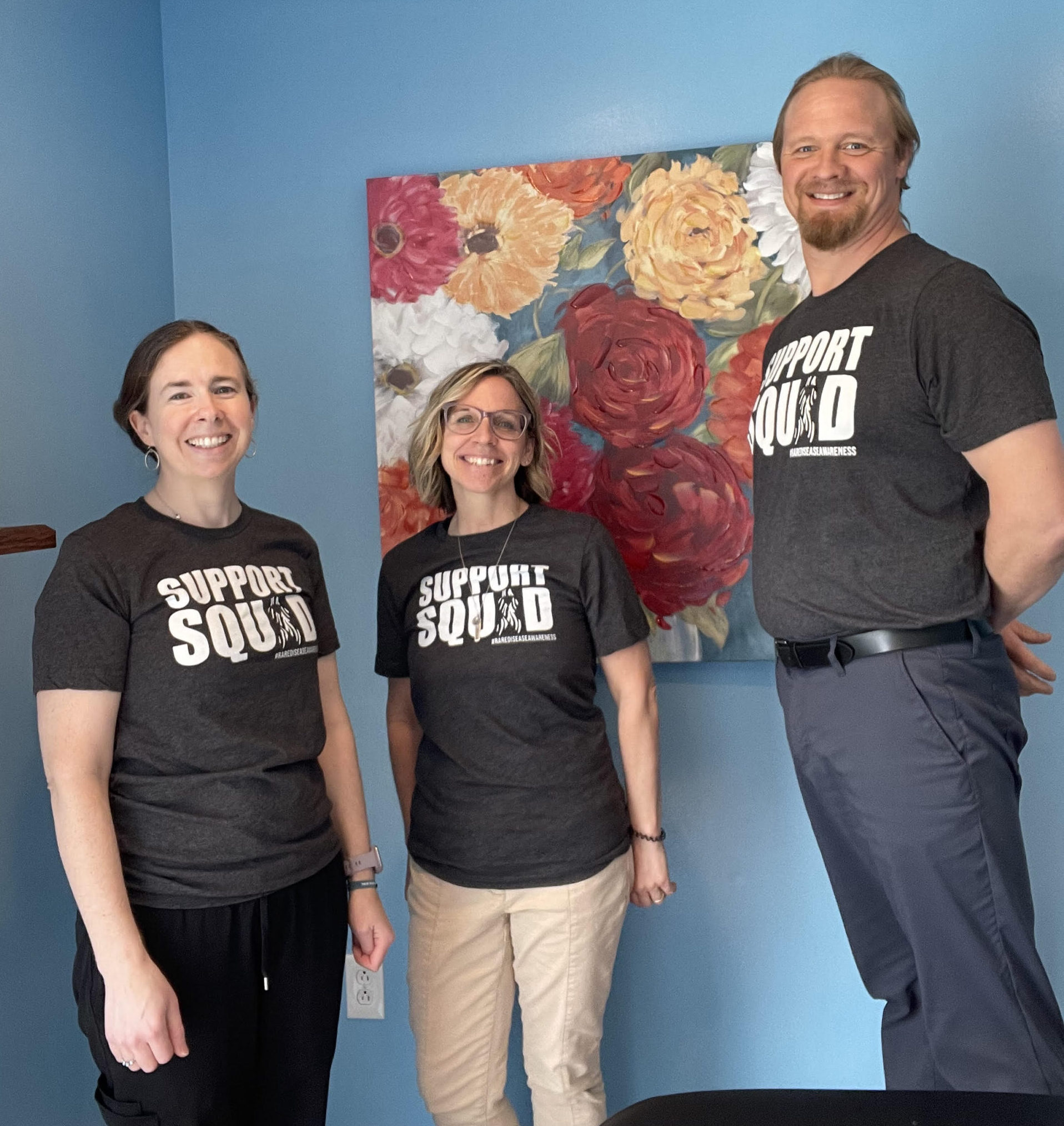
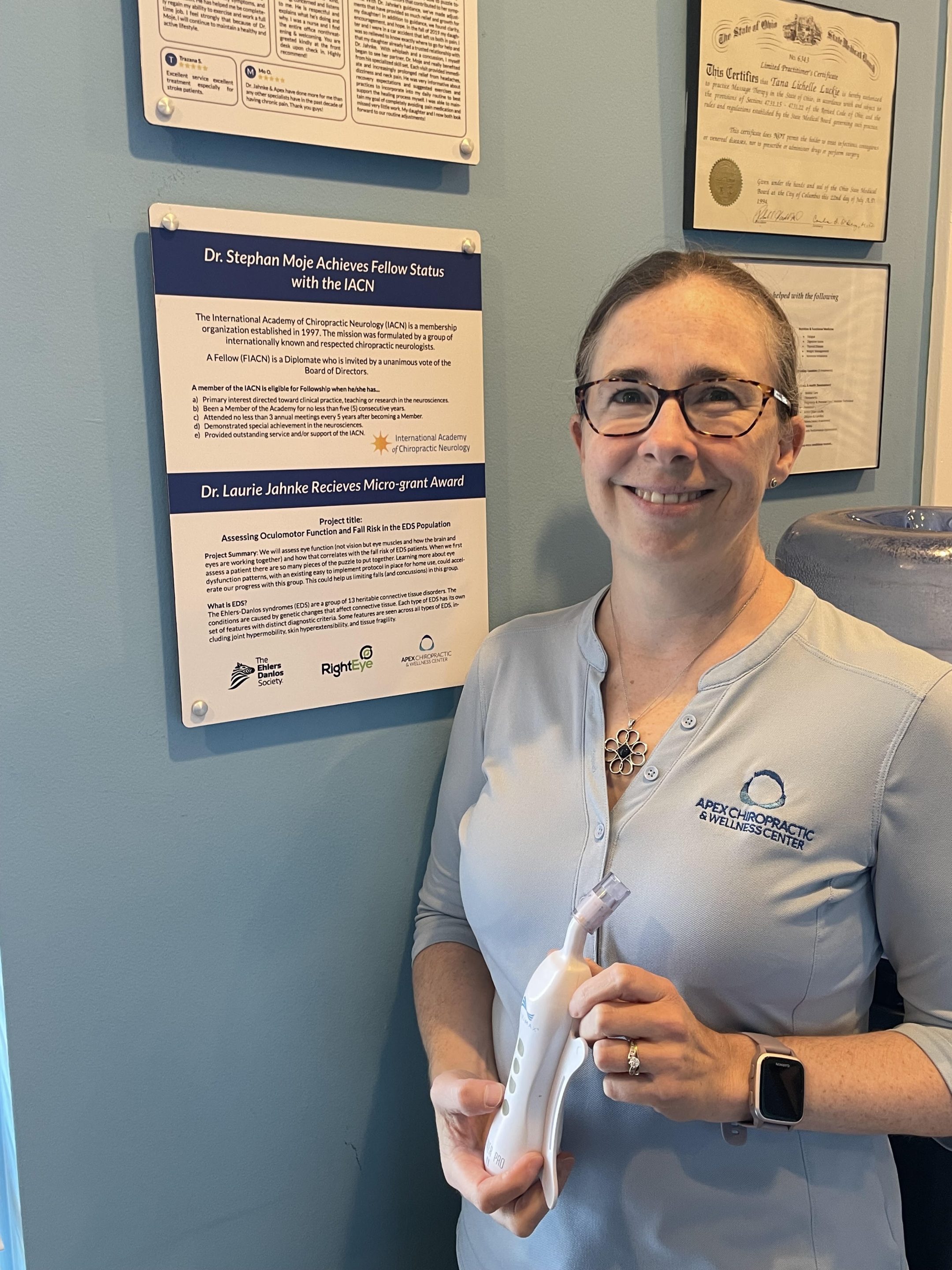
Dr. Jahnke received a research grant in 2022 from the Ehlers-Danlos Society — one of only a handful of clinicians. It focused on balance, vestibular and visual connections in EDS.
You May Be in the Right Place If You…
- Have an EDS diagnosis — or strongly suspect one — and haven’t found care that actually understands it
- Experience joint instability, chronic pain, dizziness, brain fog, or fatigue that waxes and wanes without a clear explanation
- Have tried other providers and felt like you were being fit into a protocol that wasn’t designed for you
- Want a provider willing to monitor your condition over time, not just treat a flare and discharge you
- Are open to a holistic, neurologically-informed approach that may reduce reliance on medication
- Are looking for fee-for-service care — no packages, no pressure, just visits that are paid for as you go
Why Standard Care Often Falls Short for EDS
Ehlers-Danlos Syndrome affects connective tissue which is the structural scaffolding that holds your joints, tendons, ligaments, blood vessels, and nervous system together. When connective tissue is lax or dysfunctional, the effects ripple through almost every system in the body.
That’s why EDS symptoms are so varied, and why they change from day to day.
Common symptoms our patients bring to us include:
Back Pain and/or Neck Pain
Degenerative Discs
Herniated Discs
Scoliosis
Sciatica
Many patients also have co-occurring conditions such as fibromyalgia, dysautonomia, post-concussion symptoms, ADHD, anxiety, or chronic headaches that interact with their EDS in ways that require a clinician who understands the full picture.
Co-occurring conditions we commonly see alongside EDS:
Chronic Headaches & Migraines
ADHD
Anxiety
Chronic Pain Syndromes
Progress with EDS is rarely linear. Flares happen. Stress, illness, poor sleep, hormonal shifts, or overactivity can all set someone back. The goal is to reduce its impact, improve your baseline, and help you recover more quickly when it does happen.
What Separates Apex From Other Clinics
Care at our office may include any combination of the following, depending on your presentation and tolerance:

Gentle Chiropractic
We use multiple techniques and choose based on what your body can tolerate that day. There is no forcing, no aggressive manipulation.

Functional Neurology
The nervous system is often working overtime to compensate for structural instability. We assess and address vestibular function, proprioception, and the brain-body connection.

Vestibular & Balance Therapy
Dizziness, imbalance, and spatial disorientation are common in EDS. We evaluate and treat vestibular dysfunction as part of a comprehensive plan.

RightEye Oculomotor Assessment
Eye movement patterns reveal a lot about neurologic function. When appropriate, we use RightEye technology to assess and guide therapy.

Rehabilitation Exercises
Carefully selected, EDS-appropriate movement work to build stability without overloading fragile tissue.

Functional Medicine & Nutritional Support
Inflammation, gut health, micronutrient status, and metabolic function all affect how EDS patients feel. We can order labs and imaging when clinically indicated.

Sensory Integration Therapy
For patients with heightened sensory sensitivity, we incorporate sensory regulation strategies into care.

Long-Term Monitoring
We track how you respond over time. EDS management is an ongoing process, not a 6-visit discharge. We’re here for the long haul.

Collaborative Care
We actively co-manage with physical therapists, neurologists, rheumatologists, and primary care providers. You don’t have to choose between us and your other doctors.
What Your First Visit Looks Like
Your first appointment is a comprehensive evaluation.
We take time to understand your history, how your symptoms behave, what’s been tried before, and what your goals actually are. Depending on how you’re feeling that day, we may start with a focused area and expand the evaluation over time as your body is ready.

Full health and injury history (including prior diagnoses and provider experiences)
1
Movement patterns, joint mobility, and postural mechanics
2
Balance, coordination, and vestibular function
3

Neurologic and functional assessment
4
Oculomotor function via RightEye when appropriate
5

Symptom triggers and functional limitations
6

Your specific goals and what "better" looks like for you
7

Discussion of realistic expectations and what ongoing care would involve
8
At the end of your visit, we’ll review our findings with you directly and discuss whether care at Apex is a good fit and what that care would realistically involve.
Real Experiences from Our Patients


Common Questions About EDS Care at Apex
Does chiropractic care help with Ehlers-Danlos Syndrome?
Is this covered by insurance?
Do I need a formal EDS diagnosis to be seen here?
How is your approach different from a regular chiropractor?
Will you work with my other doctors?
What age do you work with?
We typically work with adults and adolescents (ages 12–75). However, we can work with all ages – but most commonly people don’t know they have EDS until their teens or later.
You Don’t Have to Keep Navigating This Alone.
Living with EDS affects how you move, sleep, work, think, and show up in your relationships. Finding the right provider who actually understands it can make a significant difference in your daily quality of life.
If you’re in the Cincinnati area and ready to work with a team that will take your case seriously, we’d like to meet you.