
Supporting Children with PANS & PANDAS
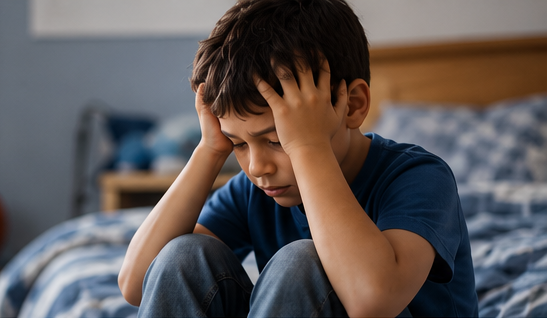
One day your child was doing well. Then almost overnight, they became anxious, developed obsessive behaviors, experienced tics, struggled in school, or seemed like a completely different child. For families living with PANS or PANDAS, this sudden change can be frightening and confusing.
What is PANS and PANDAS?
PANS (Pediatric Acute-onset Neuropsychiatric Syndrome) and PANDAS (Pediatric Autoimmune Neuropsychiatric Disorders Associated with Streptococcal infections) are conditions in which a child’s symptoms appear suddenly, often following an infection or another immune trigger.
Researchers believe that, in some children, the immune response may affect how certain areas of the brain function, leading to rapid changes in behavior, movement, emotions, and learning.
Symptoms can vary widely and should always be evaluated by the child’s medical team.
Researchers believe that, in some children, the immune response may affect how certain areas of the brain function, leading to rapid changes in behavior, movement, emotions, and learning.
Symptoms can vary widely and should always be evaluated by the child’s medical team.
Common Symptoms
Parents often notice a sudden onset of:
- OCD behaviors
- Anxiety
- Tics
- Mood changes
- Irritability
- Emotional outbursts
- Difficulty concentrating
- Sleep disturbances
- Sensory sensitivities
- Handwriting changes
- Motor coordination difficulties
- Regression in school performance
- Separation anxiety
Why Do Symptoms Continue?
Even after the illness has resolved, the nervous system may still be adapting, and some children continue to experience challenges with regulation, movement, coordination, sensory processing, or attention.
Our Three Pillars of Support

Chiropractic
Supporting healthy nervous system communication
Neurointegration
Balance
Primitive reflexes
Eye movements
Coordination
Sensory processing
Movement
Primitive reflexes
Eye movements
Coordination
Sensory processing
Movement

Functional Nutrition & Lifestyle
Sleep
Nutrition
Movement
Stress management
Healthy habits
Family education
Nutrition
Movement
Stress management
Healthy habits
Family education
Collaborative Care
Children with PANS or PANDAS often benefit from a team approach. We work alongside pediatricians, neurologists, immunologists, psychologists, therapists, and other healthcare providers to support each child’s overall health and function.
What Does an Evaluation Include?
- Developmental history
- Health history
- Neurologic examination
- Primitive reflex assessment
- Balance testing
- Coordination assessment
- RightEye® evaluation
- Lifestyle review