
ADHD
Helping Children (and Adults) with ADHD Build Better Focus, Coordination & Confidence through Chiropractic, Functional Neurology & Healthy Lifestyle Habits
ADHD Is About More Than Attention
Many children with ADHD also experience challenges with:
- balance
- coordination
- retained primitive reflexes
- eye tracking
- sensory processing
- posture
- sleep
- emotional regulation
- executive function
These systems work together as the brain develops.
Our goal is to better understand how your child’s nervous system is functioning and identify opportunities to support healthy development.
Our goal is to better understand how your child’s nervous system is functioning and identify opportunities to support healthy development.
Why Every Child Looks Different
Two children can both have ADHD…
…but for completely different reasons.
…but for completely different reasons.
- balance
- retained primitive reflexes
- visual processing
- sensory integration
- sleep
- posture
- sleep
- nutrition
Which is why one-size-fits-all programs don’t always meet every child’s needs.
Individualized Care for Your Child
Every child receives an individualized evaluation.
Rather than following a standardized program, recommendations are based on your child’s examination findings, goals, developmental history, and response to care.
Rather than following a standardized program, recommendations are based on your child’s examination findings, goals, developmental history, and response to care.
Apex Success Stories
Our Three Pillars of ADHD Support

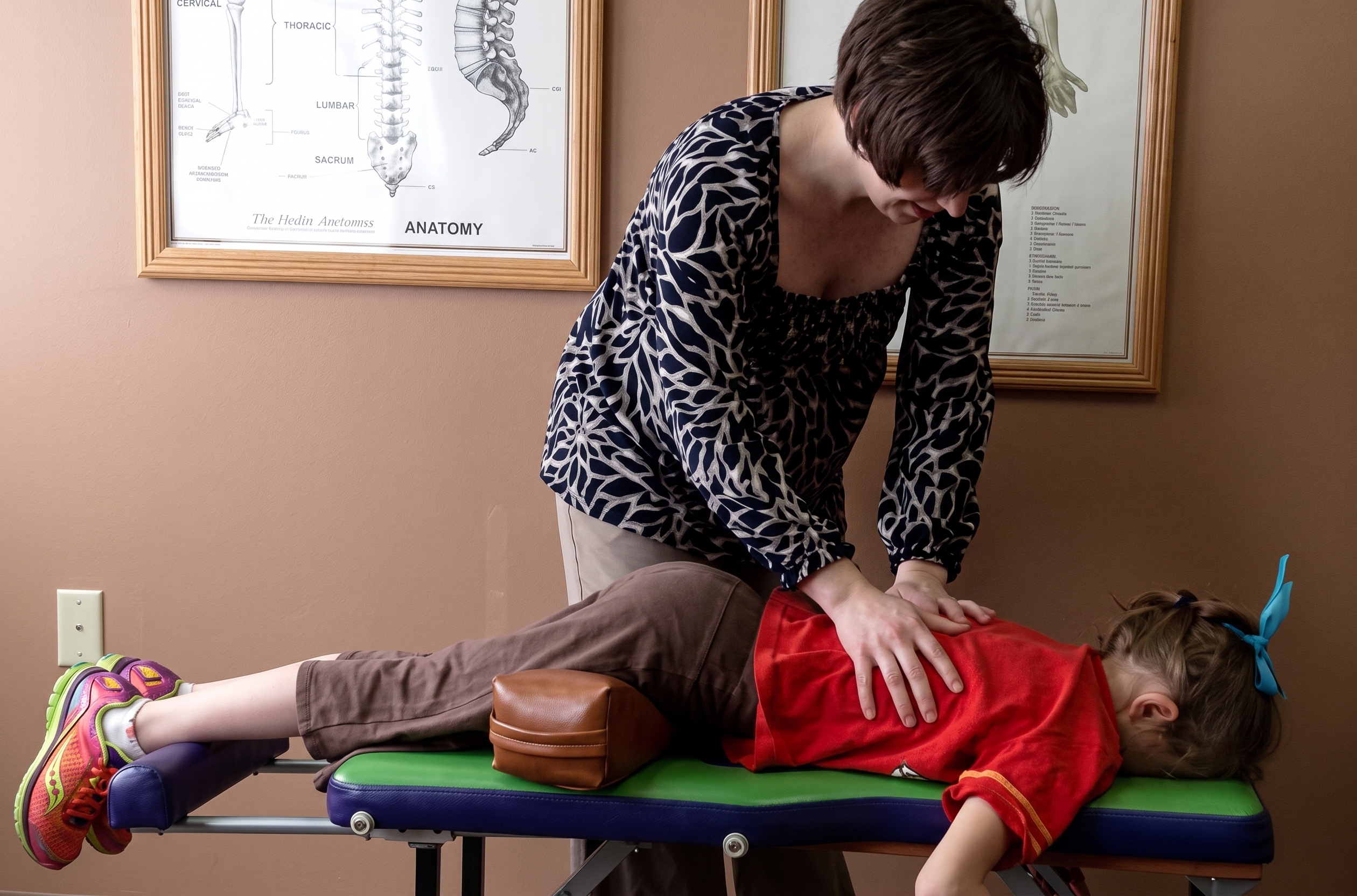
Chiropractic Care
Healthy movement of the spine supports communication between the brain and body. Chiropractic care focuses on optimizing nervous system function so the brain can process information as efficiently as possible.
Neurointegration Exercises
Movement is one of the brain’s most powerful learning tools.
Specific exercises can challenge balance, coordination, eye movements, reflexes, timing, and sensory processing—all important components of healthy brain development.
Specific exercises can challenge balance, coordination, eye movements, reflexes, timing, and sensory processing—all important components of healthy brain development.

Functional Nutrition & Lifestyle
Sleep, movement, nutrition, stress, and daily routines all influence how the brain functions.
We help families identify lifestyle habits that may support attention, self-regulation, energy, and overall wellness.
We help families identify lifestyle habits that may support attention, self-regulation, energy, and overall wellness.
What Does an ADHD Evaluation at Apex Include?
- Developmental history
- Neurologic examination
- Primitive reflex assessment
- Balance testing
- Coordination assessment
- RightEye® evaluation when appropriate
- Sensory processing observations
- Lifestyle discussion
- Nutrition review
- Sleep habits review
Every child’s brain develops differently. Our goal is not to change who your child is, but to better understand how their nervous system functions and identify ways to support learning, movement, attention, and overall well-being. We work alongside families and other healthcare professionals to help children build on their strengths and thrive.
Why Families Choose Apex Instead of Large Neurodevelopment Programs
- Individualized care instead of a standardized program
- One-on-one visits with experienced doctors
- Chiropractic care integrated into every plan
- Functional neurology principles
- Home exercises designed for real family life
- Home exercises designed for real family life
- Functional nutrition and lifestyle support
- Collaboration with pediatricians, psychologists, therapists, and schools when appropriate
- Fee-for-service care without requiring families to purchase large treatment packages