
Chiropractic Care for Complex Regional Pain Syndrome (CRPS)
CRPS can make even the lightest touch feel painful and everyday activities seem impossible. Our goal is to help calm an overactive nervous system, improve function, and support your recovery with personalized chiropractic functional neurologic care.
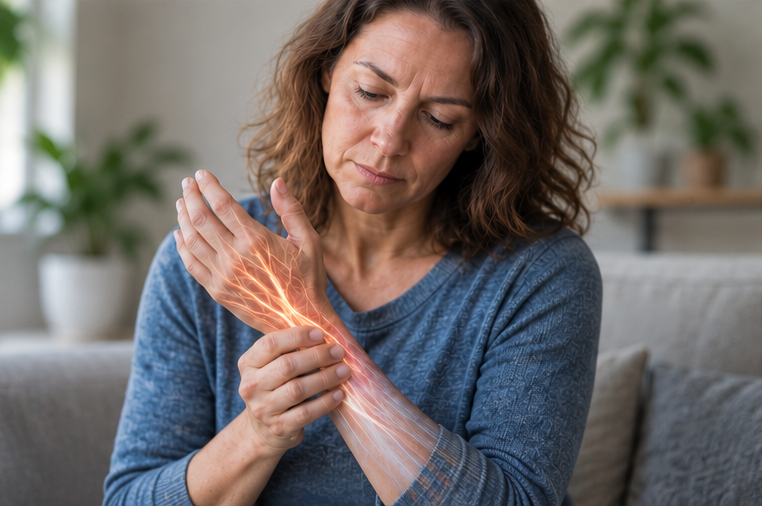
What is Complex Regional Pain Syndrome (CRPS)?
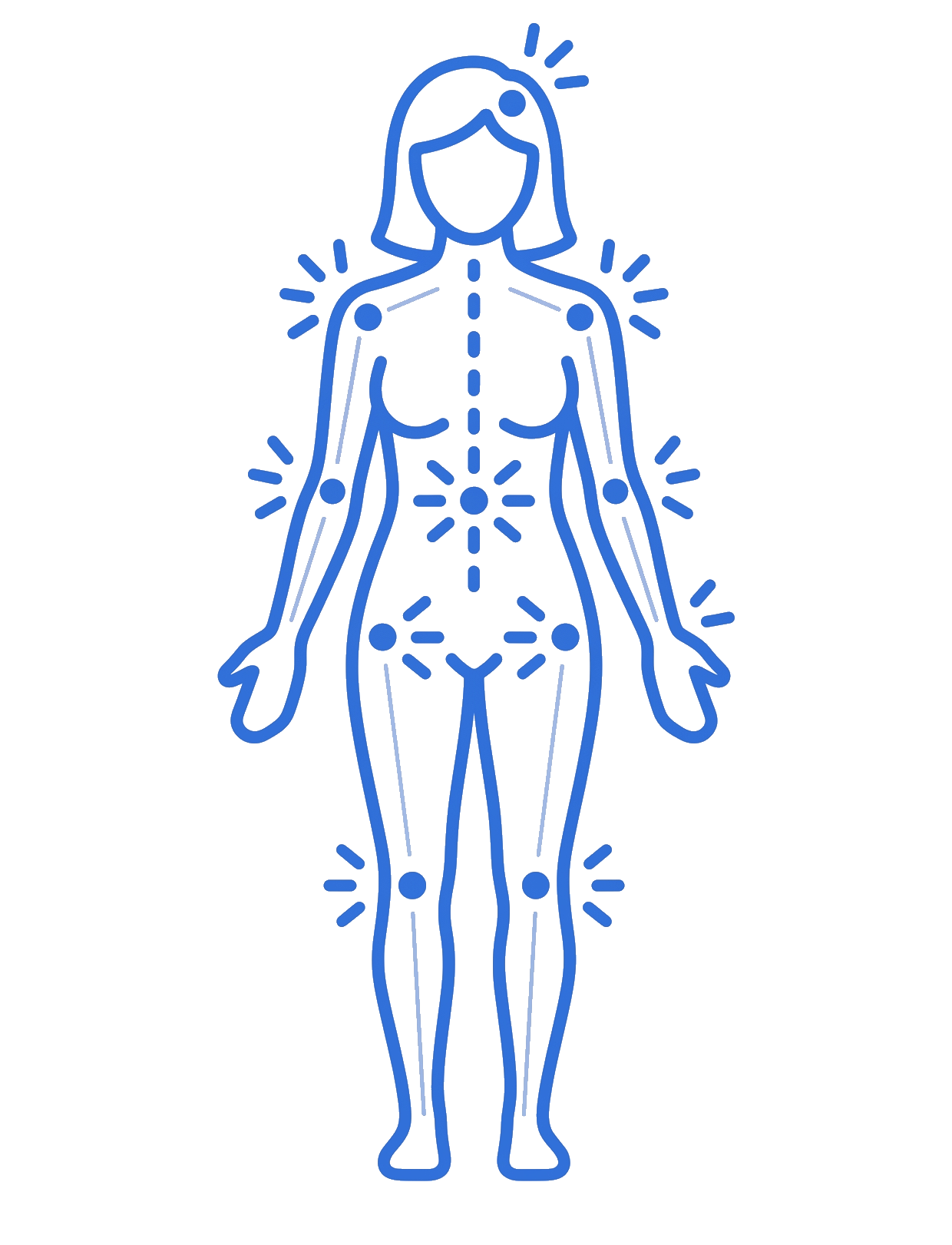
Complex Regional Pain Syndrome (CRPS) is a chronic pain condition that usually develops after an injury, surgery, fracture, or other trauma to an arm or leg. While the original injury may heal, the nervous system can continue sending pain signals long after the tissues have recovered.
People with CRPS often experience pain that seems much greater than would normally be expected from the original injury. Along with pain, changes in skin temperature, color, swelling, movement, and sensitivity can make everyday activities difficult.
CRPS is considered a disorder of the nervous system, which is why treatment often focuses on improving nervous system function—not just treating the painful area.
CRPS Type I vs. Type II
There are two forms of Complex Regional Pain Syndrome.
CRPS Type I develops after an injury without a confirmed nerve injury. It is the most common form of CRPS.
CRPS Type II occurs after a specific nerve has been injured or damaged.
Although the causes are slightly different, both types can produce very similar symptoms, including severe pain, swelling, sensitivity to touch, stiffness, and difficulty using the affected limb.
At Apex, our focus is understanding how your nervous system is functioning today so we can develop the most appropriate care plan for your individual needs.
Why Can CRPS Develop After an Injury or Surgery?
Normally, pain decreases as an injury heals. With CRPS, the nervous system doesn’t always “reset” the way it should.
After an injury or surgery, the nerves send pain signals to help protect the body during healing. For reasons that aren’t fully understood, those pain signals can continue even after the tissues have recovered.
This ongoing pain isn’t “all in your head,” and it doesn’t mean the injury is still getting worse. Instead, it reflects changes in how the nervous system is processing and responding to pain.
How the Nervous System Can Become “Stuck”
Think of your nervous system like your body’s alarm system.
When you’re injured, the alarm turns on to protect the injured area while it heals. Normally, once healing is complete, the alarm gradually quiets down.
With CRPS, the alarm can stay turned up much higher than necessary.
As a result, everyday sensations—such as light touch, gentle movement, or even changes in temperature—may feel painful because the nervous system has become overly sensitive.
The encouraging news is that the nervous system can adapt and change over time. That’s why many treatment approaches for CRPS focus on helping calm the nervous system, improve movement, and support healthier communication between the brain and body.
Common Symptoms
- Burning pain
- Severe sensitivity to touch (allodynia)
- Swelling
- Skin color or temperature changes
- Excessive sweating
- Changes in hair or nail growth
- Muscle weakness
- Tremors
- Stiffness
- Limited movement
- Difficulty using the affected limb

Common Triggers
- Fractures
- Surgery
- Sprains
- Motor vehicle accidents
- Sports injuries
- Even relatively minor injuries

Why Symptoms Can Continue
How Chiropractic & Functional Neurology May Help

Gentle chiropractic adjustments (when appropriate)

Functional Neurology
Vestibular Rehabilitation

RightEye® eye movement assessment

Balance rehabilitation
Changes in hair or nail growth
Fear of movement because of pain
Primitive reflex integration (when indicated)

Rehabilitation exercises
Home exercise progression

Lifestyle strategies to support nervous system regulation
Our Approach at Apex
Comprehensive neurologic evaluation
Looking beyond the painful area
Identifying contributing neurologic dysfunction
Objective measurements
Progress monitoring
Collaboration with pain specialists, orthopedic surgeons, neurologists, physical therapists, and primary care providers
Who This Care May Be Right For
- Have been diagnosed with CRPS
- Continue having pain months after an injury
- Have pain that seems disproportionate to the original injury
- Want to improve function
- Are seeking a comprehensive approach alongside their medical care
- Have not found lasting improvement with previous treatments
What to Expect On Your First Visit
- Detailed history
- Review of prior injuries and surgeries
- Neurologic examination
- Balance testing
- Functional movement assessment
- RightEye® assessment when appropriate
- Personalized care recommendations
- Ongoing monitoring and adjustments


